
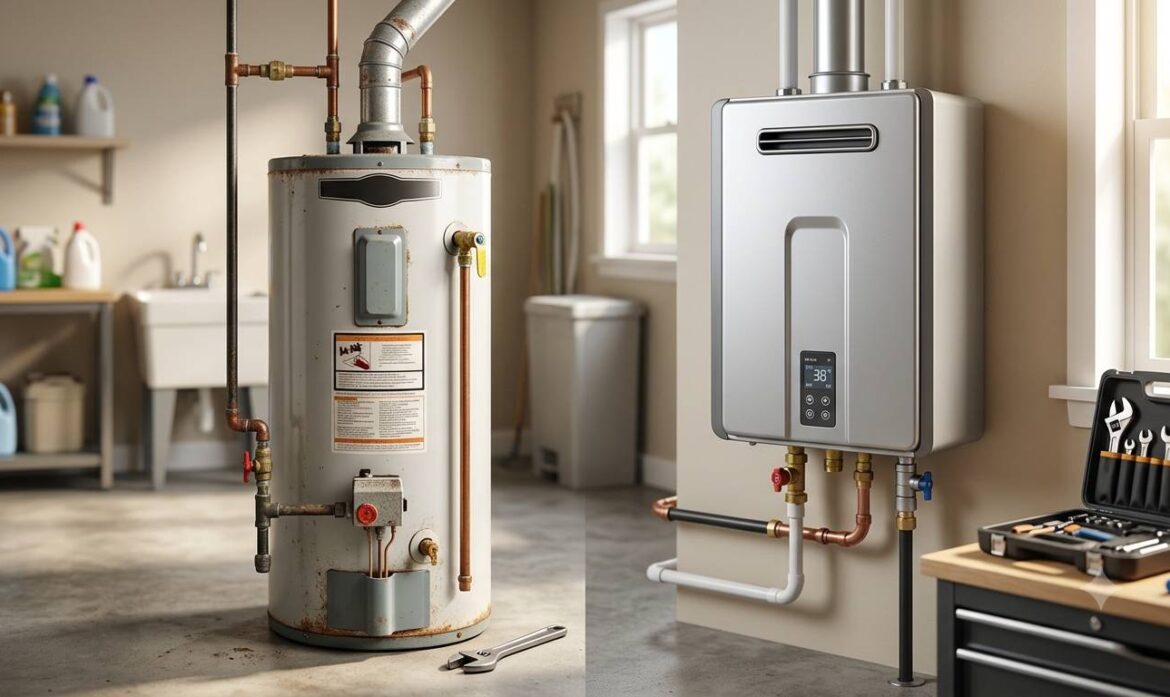
Water Heater Replacement: Repair or Replace Your Old System?
A reliable supply of hot water is easy to overlook until the system starts losing performance. When a water heater becomes less efficient, noisy or unreliable, homeowners need to decide whether a repair will solve the problem or whether replacement offers better long-term value.
Seeking timely water heater replacement guidance before the system fails completely can make this decision easier. Looking at the heater’s condition, age, repair history and running costs can help you choose a practical option without waiting for an emergency.
Common Signs Your Water Heater Needs Attention
Water heaters often show warning signs before a major failure. Changes in water temperature, unusual noises or visible corrosion can indicate that the system needs inspection.
Common signs include:
- Water taking longer than usual to heat
- Inconsistent or insufficient hot water
- Rumbling, popping or banging noises
- Rust or corrosion around the unit
- Moisture or leaking near the tank
- Discoloured water from hot taps
- Repeated repairs or declining performance
One warning sign does not always mean replacement is necessary. However, several problems occurring together can suggest that the heater is becoming less reliable and should be assessed by a qualified professional.
Repair Versus Replacement: Key Factors to Consider
When deciding between repair and replacement, timely water heater replacement guidance can help you compare the immediate repair cost with the likely remaining life of the system. A relatively young unit with a minor fault may still be worth repairing, particularly if the tank itself is in good condition.
Replacement may make more sense when the tank is badly corroded, leaks are developing or several components are failing. The decision should consider repair costs, energy efficiency, reliability and whether continued repairs are likely to provide good value.
Consider the Age and Condition of the System
Age can provide useful context, but it should not be the only factor behind replacement. The condition of the tank, installation quality, maintenance history and type of heater can all influence how long the system continues to work reliably.
A professional inspection can identify corrosion, leaks and worn components that may not be obvious during everyday use. If the main tank has serious structural damage, replacement is generally more practical than repeatedly repairing surrounding parts.
Compare Repair and Replacement Costs
A small repair can be economical when it restores reliable operation without requiring major work. Ask for a clear quotation that explains the fault, required parts and expected outcome before approving repairs.
For an older system, compare this cost with the total price of replacement and installation. Spending repeatedly on an unreliable unit can eventually cost more than installing a suitable new system, particularly if further repairs are expected.
Think About Energy Efficiency
A poorly performing water heater may need to work harder to provide the hot water a household requires. Insulation condition, sediment build-up, controls and equipment faults can all affect overall performance.
When considering replacement, compare efficiency information for suitable new systems rather than choosing on purchase price alone. A correctly sized heater that matches household demand can provide reliable hot water without unnecessary energy use.
Review Your Household’s Hot-Water Needs
Hot-water demand can change over time as household size and daily routines change. A system that once met your needs may struggle if more people now use showers, baths and appliances during the same periods.
Before replacing the unit, consider:
- Number of people in the household
- Number of bathrooms
- Typical shower and bathing habits
- Peak periods of hot-water use
- Available installation space
- Existing fuel or energy supply
Correct sizing matters because an undersized heater may struggle to meet demand, while an unnecessarily large system may not be the most economical choice.
Do Not Ignore Safety Concerns
Leaks, corrosion and faulty controls should be taken seriously. Water around the heater can damage nearby floors, walls or belongings, while problems involving electrical or fuel connections require professional attention.
Do not attempt repairs that involve gas, electrical components or safety controls unless you are properly qualified. If you notice significant leaking, unusual smells or signs of overheating, stop using the system where safe to do so and arrange an appropriate professional inspection.
Plan for a Smooth Replacement
If replacement is the best option, plan the work before the existing heater stops working completely. This gives you more time to compare suitable systems, installation requirements and costs instead of making a rushed decision during an emergency.
Choose a qualified installer and confirm that the new heater suits both the property and household demand. Ask what preparation is needed, how long the water supply may be interrupted and what maintenance the new system will require.
Maintain the New or Repaired System
Whether you choose repair or replacement, routine maintenance can support reliable performance. Follow the manufacturer’s instructions and arrange professional checks where required for the type of water heater installed.
Keep records of repairs, servicing and installation work so you can track recurring problems. Good records can make future maintenance decisions easier and help determine when another repair no longer represents sensible value.
Conclusion
Choosing between water heater repair and replacement depends on the condition of the equipment, repair costs, reliability, efficiency and household requirements. A professional assessment can help identify whether a repair is likely to provide dependable service or simply delay an unavoidable replacement.
Making the decision before complete failure gives you more control over cost and timing. By considering both immediate needs and long-term value, you can choose a solution that keeps hot water dependable without spending unnecessarily.