
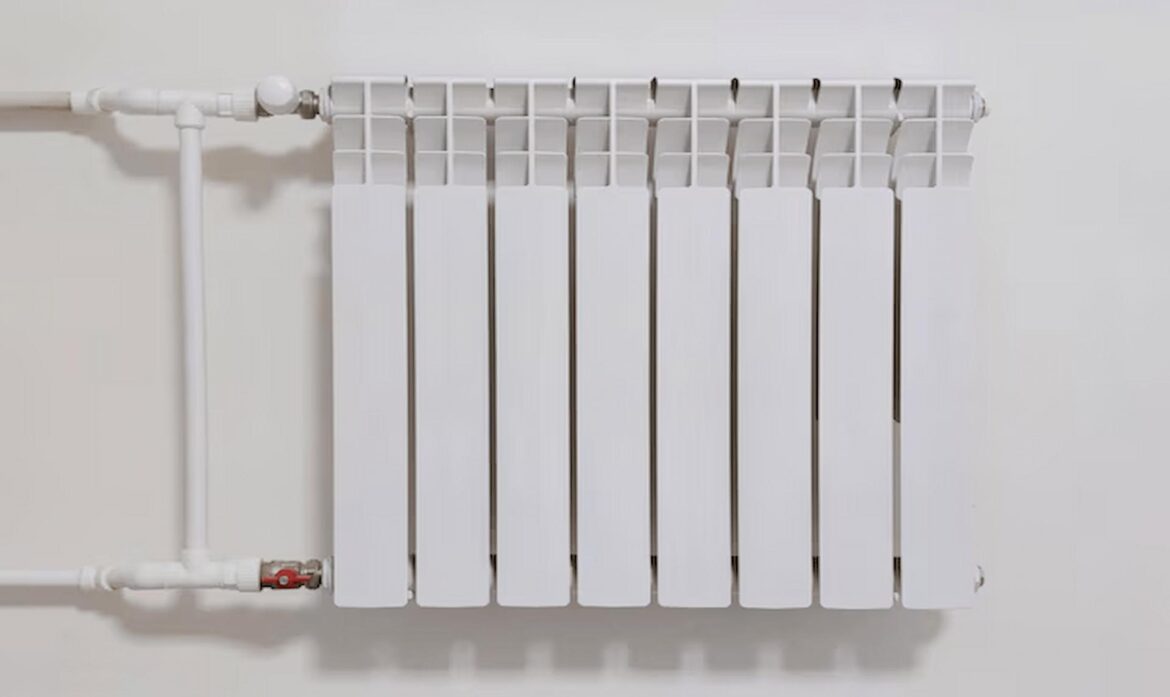
Signs Your Radiator Pipework Needs Upgrading Before Winter
As temperatures begin to drop, homeowners often turn their attention to heating systems. While radiators usually receive most of the focus, the pipework that supports them is just as important. Ageing, damaged, or inefficient pipes can reduce heating performance, increase energy bills, and even lead to costly repairs during the coldest months of the year.
If you are considering radiator maintenance or replacement, it is also worth assessing whether your pipework is still fit for purpose. In many cases, upgrading radiator pipes at the same time can improve efficiency and help prevent future problems.
Why Radiator Pipework Matters
Radiator pipework is responsible for carrying hot water from your boiler to each radiator throughout the property. When the pipes are in good condition, heat is distributed evenly and efficiently. However, as pipework ages, corrosion, blockages, leaks, and general wear can affect performance.
Unlike radiators, pipework is often hidden beneath floors or behind walls, making issues less obvious until they begin to impact the heating system. Identifying warning signs early can help you avoid unexpected breakdowns during winter.
Uneven Heating Throughout the Home
One of the most common indicators of ageing pipework is uneven heating.
If some rooms warm up quickly while others remain noticeably colder, the issue may not always be the radiators themselves. Restricted water flow caused by corrosion, sludge build-up, or narrowing pipes can prevent heat from reaching certain parts of the system effectively.
While balancing the radiators may help in some cases, persistent heating inconsistencies often point to underlying pipework problems that require further investigation.
Frequent Cold Spots in Radiators
Cold spots are usually associated with trapped air or sludge accumulation inside radiators. However, recurring cold spots, even after bleeding and maintenance, may indicate a wider issue within the pipe network.
Older pipes can collect debris over time, restricting circulation throughout the system. This can reduce the effectiveness of radiators and force the boiler to work harder to maintain comfortable temperatures.
When cold spots become a recurring problem across multiple radiators, it may be time to evaluate the condition of the entire heating system.
Visible Signs of Corrosion
Corrosion is one of the clearest warning signs that pipework may need replacing.
Look for:
- Discolouration around pipe joints
- Rust marks or staining
- Flaking metal surfaces
- Green deposits on copper pipes
- Small damp patches near connections
Even minor corrosion can eventually lead to leaks. Addressing these issues before winter arrives can prevent significant water damage and heating disruptions.
Persistent Leaks and Repairs
An occasional leak can often be repaired without major concern. However, repeated leaks in different sections of the heating system may indicate that the pipework has reached the end of its useful lifespan.
Older systems often experience gradual deterioration that affects multiple areas simultaneously. If you find yourself regularly calling for repairs, replacing sections of pipework may prove more cost-effective than continuing to patch individual problems.
Investing in upgrading radiator pipes during planned heating improvements can reduce ongoing maintenance costs and improve long-term reliability.
Strange Noises from the Heating System
Heating systems should operate relatively quietly. If you regularly hear banging, gurgling, whistling, or knocking noises, restricted water flow may be the cause.
These sounds can occur when:
- Air becomes trapped within the system
- Sludge obstructs water circulation
- Pipe diameters are no longer suitable for system demands
- Water pressure fluctuates due to internal blockages
Although some noises can be resolved through maintenance, persistent issues may indicate that older pipework is no longer functioning efficiently.
Rising Energy Bills
A sudden increase in heating costs is often one of the first signs that a system is struggling.
When pipes become partially blocked or corroded internally, hot water cannot circulate as effectively. As a result, the boiler must operate for longer periods to achieve the desired indoor temperature.
This reduced efficiency can significantly impact energy consumption over time. If your energy bills continue to rise despite similar usage patterns, ageing pipework may be contributing to the problem.
Your Heating System Is Several Decades Old
Many homes still contain original heating pipework installed decades ago.
Although well-maintained systems can last for many years, older pipe materials may not meet modern efficiency standards. Heating systems installed several decades ago were often designed for different boiler technologies and heating demands.
If your property still relies on ageing pipework, upgrading it alongside radiator or boiler improvements can help maximise performance and future-proof your heating system.
Slow Warm-Up Times
Another common symptom of pipework issues is delayed heating response.
When you switch on the heating, radiators should begin warming within a reasonable period. If rooms take significantly longer than they once did to reach a comfortable temperature, restricted circulation may be reducing system performance.
Slow warm-up times often become more noticeable during colder weather when the heating system is under greater demand.
Water Quality Issues
Discoloured water when bleeding radiators can indicate internal corrosion or sludge accumulation.
Signs to watch for include:
- Brown or black water
- Metallic particles
- Unpleasant odours
- Excessive sediment
Poor water quality suggests that contaminants are circulating through the system, potentially affecting both radiators and pipework. A professional assessment can determine whether cleaning, repairs, or replacement is the most appropriate solution.
Preparing Your Heating System for Winter
The best time to assess radiator pipework is before winter arrives. Waiting until temperatures drop significantly can leave you dealing with heating failures during the coldest part of the year.
A professional heating inspection can identify hidden problems and help determine whether repairs or upgrades are necessary. Addressing pipework concerns early allows time for planned improvements rather than emergency repairs.
Conclusion
Your radiator pipework plays a vital role in keeping your home warm, comfortable, and energy-efficient throughout winter. While radiators and boilers often receive most of the attention, ageing or damaged pipes can undermine the performance of the entire heating system.
Uneven heating, recurring leaks, corrosion, strange noises, rising energy bills, and slow warm-up times are all signs that your pipework may require attention. By identifying these warning signs early and taking action before colder weather arrives, you can improve system reliability, enhance efficiency, and reduce the risk of unexpected heating problems when you need warmth the most.