
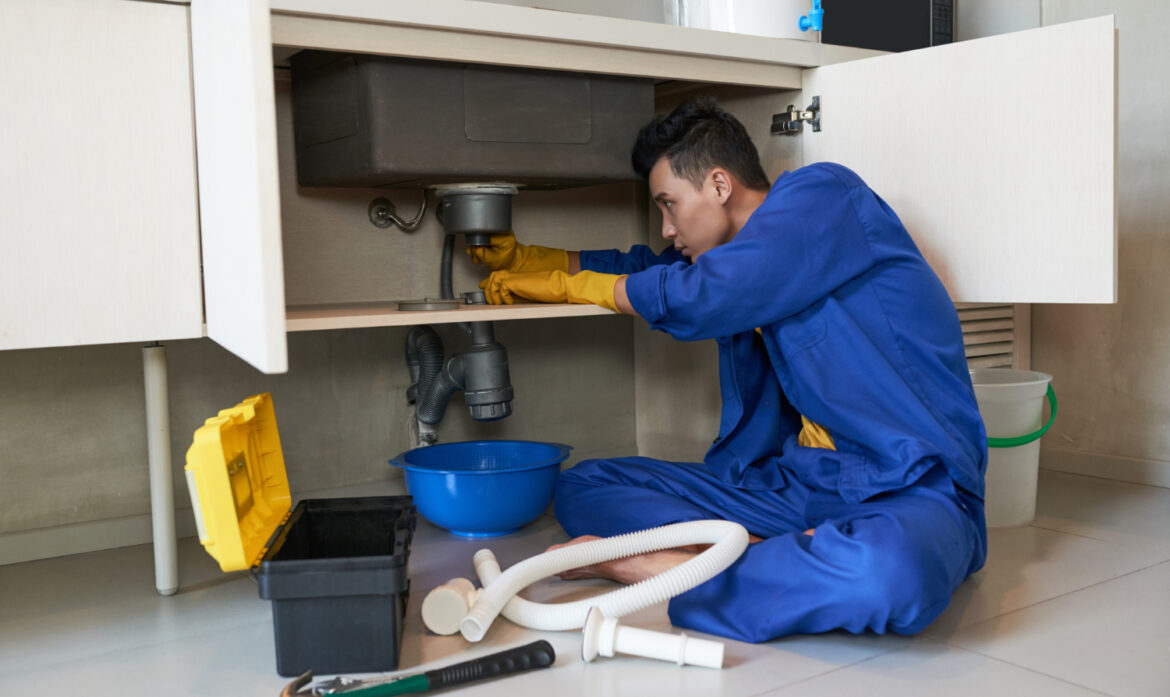
Preventing Common Plumbing Issues: A Homeowner’s Guide
Key Takeaways:
- Regular maintenance can prevent most plumbing problems and often saves homeowners from expensive emergency repairs.
- Understanding common issues helps in early detection and repair, reducing the risk of water damage and costly insurance claims.
- Professional services are essential for complex plumbing tasks that require expertise and specialized tools, ensuring the job is done right the first time.
Table of Contents:
- Introduction
- Common Plumbing Issues
- Preventive Maintenance Tips
- When to Call a Professional
- Conclusion
Introduction
Proper maintenance of a home’s plumbing system is essential for both safety and comfort. Plumbing ensures that clean water reaches every faucet while wastewater is efficiently removed, protecting a home from potential damage and costly repairs. Homeowners who address minor plumbing issues early can prevent major disruptions and maintain a reliable system year-round.
For residents in the Denver area, All in One Home Services Plumbers In Denver Colorado provide comprehensive plumbing solutions. Their website details a full range of services, including plumbing, HVAC, and electrical work, all tailored to local homeowners’ needs. With years of experience and a strong reputation in the community, All In One Home Services LLC has established itself as a trusted authority for keeping homes safe, functional, and efficient.
Common Plumbing Issues
Homeowners often encounter several plumbing problems, ranging from minor annoyances to urgent emergencies. Being aware of these common issues can help you act quickly and avoid further complications, as even minor plumbing problems can escalate if left unattended:
- Leaky Faucets: A dripping faucet can waste significant water over time, leading to higher utility bills. Not only is it inefficient, but the constant moisture can also stain fixtures and promote mold growth in bathrooms and kitchens.
- Clogged Drains: Accumulation of hair, grease, and other debris can obstruct water flow, causing backups in sinks, showers, and tubs. Slow drains can lead to foul odors and even pipe damage if left untreated, making routine cleaning extremely important.
- Running Toilets: This issue can waste up to 200 gallons of water per day, according to the Environmental Protection Agency. Common causes include faulty flapper valves or malfunctioning fill mechanisms, which often go unnoticed until the water bill rises.
- Low Water Pressure: Often caused by pipe corrosion, leaks, or sediment buildup in fixtures, low water pressure can make daily tasks like showering or washing dishes frustrating. It can also signal more serious underlying plumbing issues that need prompt attention.
- Water Heater Issues: Inconsistent water temperature or strange noises may indicate a failing water heater. Sediment buildup is a frequent culprit for these problems, and ignoring them can result in complete water heater failure or even leaks that cause water damage to floors and walls.
Homeowners should remain vigilant for early warning signs of these issues, such as persistent drips, slow drainage, or unexpected changes in water temperature. Addressing minor problems early can extend the life of plumbing fixtures and prevent more costly repairs down the line.
[suggestion]An illustration showing a house with highlighted areas for common plumbing problems, such as a dripping faucet, clogged drain, and a water heater.[/suggestion]
Preventive Maintenance Tips
To prevent these common issues, consider the following proactive tips that can protect your home and save money over time:
- Regular Inspections: Periodically check pipes, faucets, and appliances for signs of leaks or wear. Even small, slow leaks can waste thousands of gallons of water annually and cause hidden damage to cabinets, floors, and walls if left undetected. Scheduling an annual plumbing inspection with a professional can help catch potential issues before they escalate.
- Drain Care: Avoid disposing of grease or large food particles down the sink, as they can quickly clog pipes. Instead, collect grease in a container and dispose of it with other household waste. Use drain guards in showers, tubs, and sinks to trap hair and debris before they can enter the plumbing system. Additionally, periodically flush your drains with hot water and a mild solution of baking soda and vinegar to help reduce buildup.
- Water Pressure Monitoring: Install a pressure gauge to ensure water pressure remains within safe limits (typically 40-60 psi). Excessive water pressure can strain fittings and appliances, leading to leaks or premature failure. If you notice consistently low or high pressure, consider installing a pressure regulator or having a plumber investigate the cause.
- Water Heater Maintenance: Flush the tank annually to remove sediment buildup, which can reduce efficiency and shorten the unit’s lifespan. Inspect the anode rod—a component designed to attract corrosive particles—for signs of corrosion and replace it if necessary. Listening for unusual noises, like banging or popping, can also signal issues with your water heater that need attention.
- Insulate Pipes: In colder climates, insulating pipes, especially those located in unheated spaces like basements, crawl spaces, or attics, can prevent freezing and subsequent bursting when temperatures drop. Use foam pipe insulation and routinely check for any exposed areas as winter approaches.
Consistently following these maintenance tips not only extends the lifespan of your plumbing system but also dramatically reduces the risk of emergency repairs. Many of these tasks are simple, inexpensive, and can be performed without professional assistance, making them ideal for proactive homeowners.
When to Call a Professional
While some minor issues can be addressed by homeowners with basic tools and a little know-how, specific plumbing problems are best left to qualified professionals. Attempting to fix complex issues without the proper experience or tools can worsen the situation and put your property at risk. Here are scenarios where calling a professional plumber is highly recommended:
- Persistent Leaks: If a leak persists despite your best efforts to fix it, a professional plumber can identify the underlying cause, which may not be visible to the untrained eye. Hidden leaks, especially those inside walls or under floors, can quickly escalate into mold growth and structural damage.
- Major Clogs: Stubborn blockages that resist plunging or chemical drain cleaners may indicate a deep or complex clog. Plumbers have specialized equipment, such as motorized drain snakes and video inspection tools, to safely and effectively clear these obstacles without damaging your pipes.
- Water Heater Replacement: Installing a new water heater involves complex electrical and plumbing connections and should always be handled by a licensed expert. Mistakes during installation can result in leaks, water damage, or serious safety hazards, including gas leaks or electrical faults. For guidance on choosing the right water heater and understanding key features, Consumer Reports offers a comprehensive buying guide to help homeowners make informed decisions before installation.
- Sewer Line Problems: Foul odors, soggy patches in your yard, or multiple drain backups can indicate a serious issue with your sewer line. These problems require professional equipment and expertise, as attempting to fix sewer lines on your own is hazardous and unlikely to resolve the underlying issue.
Professional plumbers not only resolve plumbing issues safely and efficiently but also spot related or underlying problems that could resurface if left untreated. Entrusting complex plumbing tasks to experts like those at All In One Home Services ensures the ongoing reliability of your entire system. It provides peace of mind for you and your family.
Conclusion
By staying vigilant and performing regular maintenance, homeowners can prevent many common plumbing issues and save significant money and stress over the long term. Practicing simple preventive measures and knowing when to seek professional assistance will protect your property and keep your home’s plumbing system running smoothly. Remember, investing a little time in maintenance now can spare you from big headaches and costly repairs in the future. Don’t hesitate to call a trusted local expert if you encounter persistent or complex plumbing issues—your home and wallet will thank you.