
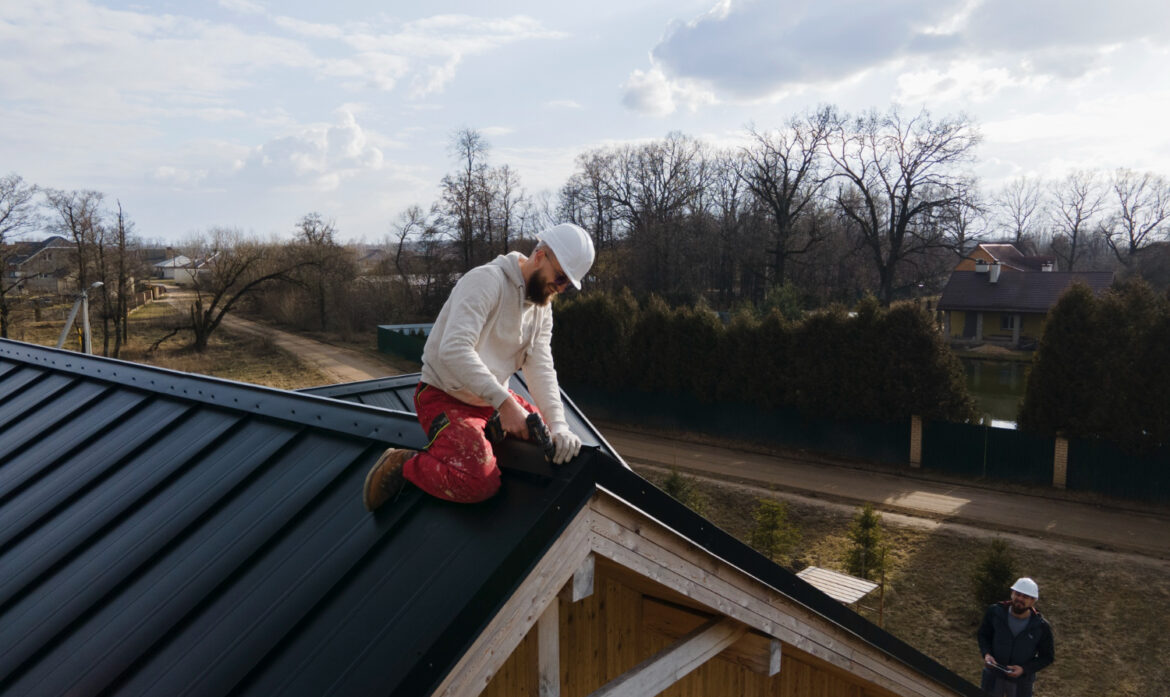
Preventing Costly Roof Repairs Before They Start
Preventing expensive roof repairs begins long before any visible damage appears. Regular inspections and proactive maintenance are key strategies that can help homeowners identify potential issues early, such as missing shingles, minor leaks, or damaged flashing. Addressing these problems promptly not only extends the roof’s life but also protects the home’s structural integrity. Seasonal changes, extreme weather, and general wear and tear can all contribute to hidden vulnerabilities, making early detection essential. By staying attentive and investing in preventative measures, homeowners can avoid the disruption and high costs associated with emergency repairs, ensuring that their roof continues to provide reliable protection year after year.
Regular Inspections: The First Line of Defense
A routine roof inspection is a homeowner’s best opportunity to detect trouble before it turns costly. Industry specialists advise scheduling a professional evaluation annually, especially if your roof is over 15 years old or you live in an area prone to severe weather. During a thorough inspection, experts check for signs of cracked shingles, weakened flashing, and subtle leaks—issues often missed during visual checks from the ground. According to the Insurance Information Institute, regular roof assessments can help avert major structural problems and unnecessary financial strain.
Gutter Maintenance: Ensuring Proper Drainage
Gutters direct rainwater away from your shingles, siding, and foundation. When they’re filled with leaves or debris, water can back up onto the roof, causing leaks, rot, and even interior water damage. It’s wise to clean your gutters at least twice per year—ideally in late spring and autumn. Don’t forget to check for loose fasteners and sagging sections that may indicate clogs or damage. This simple habit protects shingles, prevents excessive moisture buildup, and even helps avoid ice dams during cold months.
Tree Trimming: Preventing Physical Damage
Trees offer shade and curb appeal, but branches looming over your roof are risky, especially during high winds or storms. They can scrape shingles, break off and fall, or provide a pathway for pests to enter your roof. Keeping branches trimmed at least 10 feet from your home is a smart practice, and it also minimizes the accumulation of leaves and debris in your gutters. Regular tree maintenance keeps storm-related hazards at bay and reduces the need for emergency roof repairs.
Addressing Minor Issues Promptly
Even small roof issues—such as a missing shingle or minor leak—can quickly escalate into costly repairs if left unaddressed. Damp patches in the attic or curling shingles should never be ignored, as they can allow water to seep in, potentially damaging the ceiling, insulation, or even the home’s structural framing. Addressing these problems before a roof installation is critical, as it ensures that the new system is built on a solid, problem-free foundation, thereby maximizing its lifespan and effectiveness while preventing future complications.
Ensuring Proper Ventilation
Without adequate attic ventilation, heat and humidity can become trapped, resulting in the premature aging of roofing materials. Blocked vents may cause ice dams in winter, encourage mold growth, and even increase your home energy costs. Regularly confirm that all attic vents are unobstructed and free of debris. Enhanced ventilation helps balance moisture and prevents roofing materials from degenerating well before their expected lifespan is reached.
Professional Assessments: When to Call the Experts
While diligent homeowners can catch many issues, some roof vulnerabilities are hidden from casual inspection. After windstorms, hail, or other severe weather, always call for a professional inspection to detect damage you may otherwise miss. Pros have the expertise and equipment to identify issues with flashings, sealants, and underlayment—the elements most critical to your roof’s integrity. Regular assessments are essential for comprehensive roof care, as they can pinpoint crucial repairs before they disrupt your life or budget.
Seasonal Considerations: Timing Your Maintenance
Roofing needs to adapt to the changing seasons. In the fall, clear gutters and inspect shingles before freezing weather arrives. Spring is ideal for assessing and repairing any winter storm damage. Regular seasonal maintenance, scheduled before extreme weather strikes, is the most effective way to reduce the risk of costly repairs. Proactive work each year helps prevent the incremental damage that often goes unnoticed until it’s too late.
Conclusion
An ounce of prevention truly is worth a pound of cure when it comes to roof care. Diligent attention—including scheduled inspections, gutter cleaning, timely repairs, and expert guidance—can dramatically extend your roof’s life and minimize the risk of unexpected expenses. By investing a little effort up front and leveraging professional resources, you safeguard your home and ensure long-term savings. Begin your proactive maintenance strategy today to enjoy the lasting protection your roof was built to provide.
One thought on “Preventing Costly Roof Repairs Before They Start”
Comments are closed.