

Innovative Strategies to Cut Down Household Energy Costs Year-Round
Table of Contents
- Why Energy Efficiency Matters
- Common Energy Wasters at Home
- Everyday Habits That Save Energy
- Appliance and Lighting Upgrades
- Seasonal Tips for Energy Savings
- DIY Projects for Better Insulation
- Tracking Your Energy Usage
- Additional Resources
Why Energy Efficiency Matters
Household energy costs are a concern for families everywhere, driven by volatile energy prices and growing awareness of environmental impact. A typical home can spend thousands annually on energy. Implementing smart, practical changes helps bring down those bills and reduces the strain on our natural resources. Working with experienced energy providers like Indra Energy can empower families to understand their usage and make sustainable choices that benefit both finances and the environment.
Every kilowatt-hour saved matters. Energy-efficient homes enjoy lower costs and greater comfort, especially during extreme weather. Beyond financial savings, reducing energy consumption helps curb carbon emissions, making our communities cleaner and healthier places to live. Motivated by these benefits, more households are prioritizing efficiency initiatives and exploring innovative solutions to energy management.
Common Energy Wasters at Home
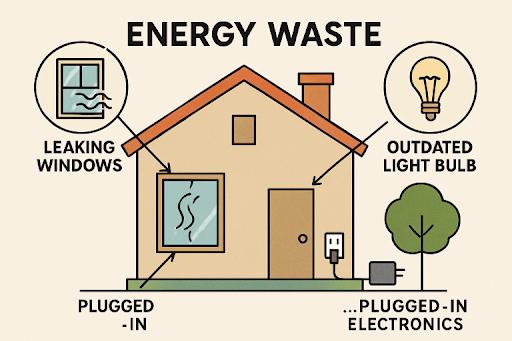
Despite good intentions, many homes are plagued by energy waste hidden in plain sight. Outdated appliances draw excessive power, windows and doors often leak conditioned air, and older lighting fixtures are frequently overlooked sources of inefficiency. “Phantom loads”—the trickle of electricity used when electronics remain plugged in, even when turned off—can quietly raise monthly bills by as much as 10%. Identifying and addressing these sneaky energy wasters is an essential early step toward lowering energy costs.
Recognizing common energy drains cannot only lead to cost savings but also extend the lifespan of your appliances and infrastructure. Regular home walk-throughs, where you check for drafts or unnecessarily plugged-in devices, can highlight easy wins in your energy-saving journey. Even a few small actions in the home can yield significant improvements as you become more energy-aware.
Everyday Habits That Save Energy
- Unplug chargers, electronics, and small appliances when not in use or use smart power strips to automate the process.
- Adjust thermostats slightly—lower in winter and higher in summer—to reduce the demand on heating and cooling systems.
- Opt for shorter or cooler showers and use water heaters at efficient settings.
- Wash clothes in cold water, and always wait for a full load before running the dishwasher or laundry.
- Replace HVAC filters regularly to keep systems running smoothly.
Consistency is key with these everyday habits. Over time, these actions add up, cutting costs and increasing your home’s overall efficiency without requiring significant investments. According to the U.S. Department of Energy’s Energy Saver guide, simple behavioral shifts like these can reduce a household’s energy usage by as much as 15%.
Appliance and Lighting Upgrades
Upgrading to energy-efficient appliances is a straightforward way to slash utility bills and modernize your home. Appliances with the ENERGY STAR label are third-party certified to use significantly less energy than standard models. Older refrigerators, dishwashers, or washing machines should be considered for replacement if they are over a decade old, since efficiency standards have improved considerably in recent years.
Lighting also presents a powerful opportunity to save. Swapping out incandescent bulbs for LEDs can reduce lighting energy use by up to 75%. LEDs last longer, operate cooler, and drastically reduce the frequency and cost of replacements. The Consumer Reports guide to energy-saving appliances offers detailed reviews and recommendations for choosing the best energy-efficient products.
Seasonal Tips for Energy Savings
Winter Energy-Saving Tactics
- Add or upgrade insulation to retain warmth, especially in attics and crawl spaces.
- Seal windows and doors with weather stripping or caulk to prevent drafts.
- Lower the water heater temperature and use thermal curtains to insulate windows at night.
- Set your thermostat to a lower setting overnight and when the home is unoccupied.
Summer Efficiency Hacks
- Close blinds or shades during the day’s heat to reduce strain on cooling systems.
- Use ceiling fans to circulate air efficiently—remember to change their direction seasonally.
- Open windows in the evening for natural ventilation when temperatures drop, reducing the need for air conditioning.
- Use programmable thermostats to optimize cooling schedules automatically.
Adapting your approach according to the season means your home always operates at peak efficiency, whether you’re combating heat waves or cold snaps.
DIY Projects for Better Insulation
Sealing leaks and improving insulation is an accessible do-it-yourself strategy that yields impressive results. Install weather stripping and door sweeps to address common problem areas. Use caulk or expanding foam to seal cracks around windows, vents, and wiring pass-throughs. Adding insulation to attics or basements is manageable for many homeowners and combats up to 25% of a home’s heat loss or gain.
The U.S. Department of Energy’s Weatherize: Air Sealing Your Home guide provides further guidance on new insulation products and trends, helping ensure that DIY improvements meet or exceed recommended standards.
Tracking Your Energy Usage
Monitoring your energy consumption empowers you to take control of your bills and spot unusual patterns before they become expensive problems. Many utility providers—often in partnership with energy companies—now offer online dashboards, mobile apps, or in-home smart meters for real-time feedback. Using these tools lets you see which appliances or activities use the most energy, making it easier to pinpoint further opportunities for savings.
Reviewing utility reports regularly each month can reveal spikes caused by equipment failures or seasonal changes, giving you the information you need to adjust and optimize your habits.
Additional Resources
Staying informed is vital for ongoing savings. In addition to insights from trusted providers, regularly check reputable sources for up-to-date efficiency tips and technology reviews. The U.S. Department of Energy’s news center and platforms like Consumer Reports help you stay ahead of trends and make informed decisions that serve your home and budget.
With practical strategies, know-how, and a commitment to continuous improvement, every household can reduce energy bills year-round and protect its finances and the environment.