

How Community Support Empowers Vulnerable Groups
Key Takeaways
- Community support is essential for empowering vulnerable groups. It provides critical resources, emotional encouragement, and stronger social ties.
- Real-world examples, such as mothers’ support groups and community organizations, illustrate the power of collective action in times of need.
- Collaborative initiatives between grassroots organizations and government can amplify impact, ensuring sustainable support and community resilience.
The Role of Community Support in Empowering Vulnerable Groups
Supporting vulnerable populations goes beyond offering immediate assistance—it involves nurturing dignity, building resilience, and creating real pathways to opportunity. Community support networks play a critical role in this process, delivering emotional and practical help and access to resources that encourage long-term growth. Initiatives such as Business Training Programs Omaha NE, exemplify how targeted support can empower individuals by equipping them with financial independence and personal development skills.
Many vulnerable groups face persistent barriers that limit their access to essential services. Community-based organizations help bridge these gaps by providing mentorship, safe environments, and customized programs that meet people where they are. These efforts are especially vital during times of crisis, when marginalized communities are at greater risk of being overlooked. These organizations foster a sense of belonging through consistent, tailored support and help individuals move toward lasting change.
Community support is also about fostering leadership from within. These structures create ripple effects that transform entire neighborhoods by empowering individuals to advocate for themselves and their peers. Partnerships between local non-profits, training organizations, and networks of volunteers are often the backbone of these transformative efforts.
Furthermore, these initiatives inspire systemic change. Community support groups encourage policymakers to develop long-term, sustainable solutions by highlighting pressing issues and providing data on what works. The positive impacts can be seen across various vulnerable populations, from women and children to those affected by poverty, displacement, or disease. Well-structured support models meet immediate needs and lay the groundwork for lasting social advancement.
Case Study: Mothers’ Support Groups in Sri Lanka
Mothers’ support groups (MSGs) in Sri Lanka are a compelling example of how organized community efforts can uplift vulnerable individuals. During the COVID-19 pandemic, these groups leveraged established networks to disseminate vital health information, support infection prevention efforts, and distribute much-needed supplies. Trust and rapport built over the years meant MSGs served as lifelines, particularly in communities where government support was delayed or insufficient. Their initiatives fostered environments of mutual help and resilience, strengthening local health systems and family well-being.
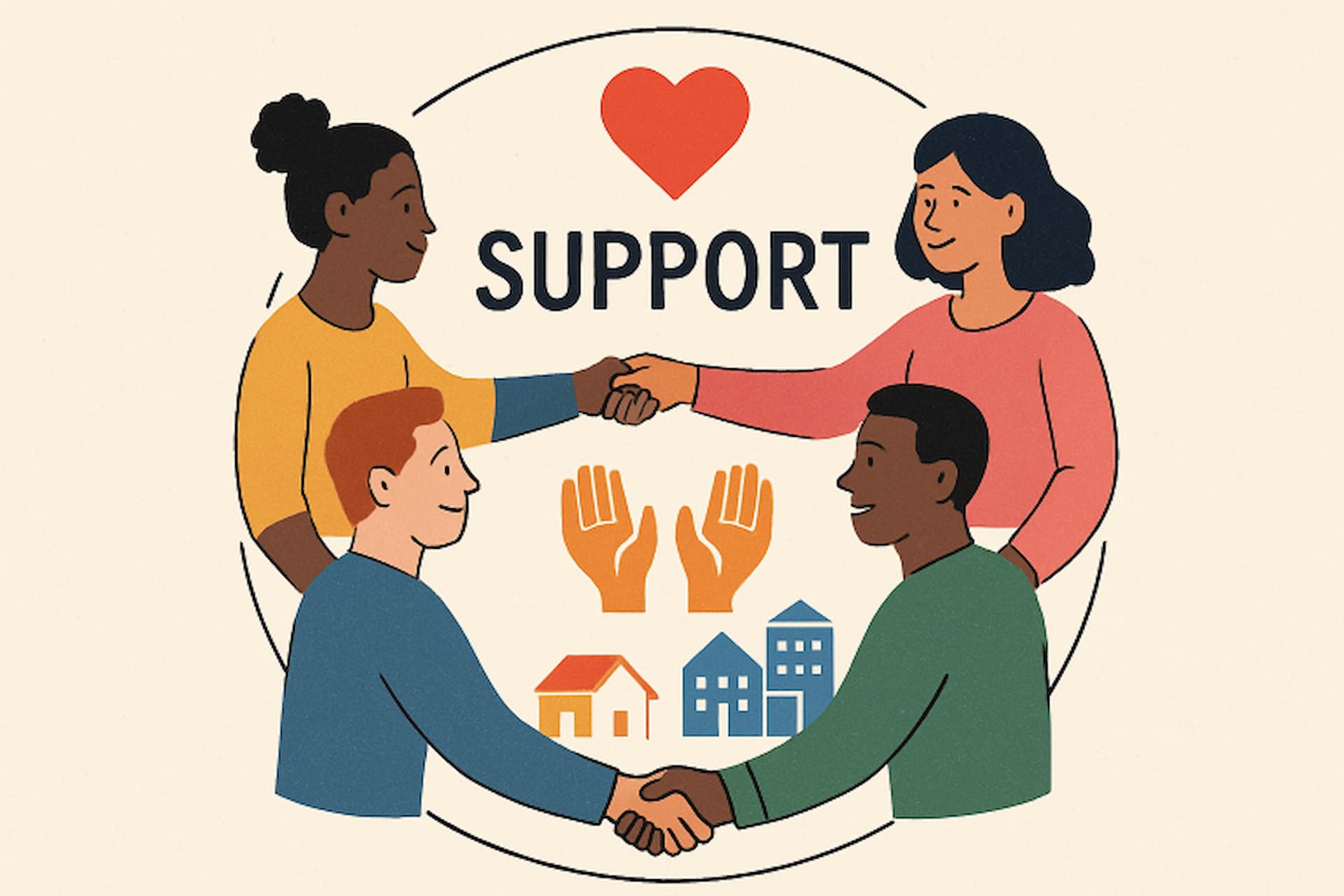
Community Organizations in Afghanistan
Community organizations in Afghanistan have played a pivotal role amid persistent conflict and economic instability. These groups have created short-term livelihood opportunities and facilitated access to essential services for millions, focusing on women and internally displaced people. By maintaining open communication channels and encouraging shared decision-making, localized efforts have preserved social cohesion and effectively addressed pressing needs. These organizations implement inclusive approaches essential for sustainable development and peace-building within fragile contexts.
Virtual Villages: A Modern Approach
As technology becomes more integral to daily life, innovative solutions have emerged to reach the most isolated and overlooked populations. One prime example is the creation of “virtual villages” — digital communities designed for specific vulnerable groups. Notably, a virtual village for older people living with HIV provided a safe space online for meaningful connections and resource sharing. This innovation helped combat social isolation, supported mental well-being, and proved that effective, inclusive support can transcend geographic boundaries.
Empowering Women Through Social Support Systems
Women face unique barriers to opportunity, from restricted access to education and employment to cultural stigmas. Social support systems tailored to these challenges play a vital role in boosting agency and fostering empowerment. Forming mothers’ groups, access to professional development, and community activism break the cycle of poverty and enable women to influence broader societal change. These groups serve as hubs for knowledge-sharing, mutual aid, and leadership development, resulting in improved health, education, and economic outcomes for families and communities.
Community Support During Health Emergencies
Community-centered support systems are often the fastest, most trusted response teams in public health emergencies. An example from Boston reveals how localized approaches addressed health resource gaps for people experiencing homelessness. By integrating outreach workers, healthcare professionals, and trained volunteers with lived experience, these groups closed gaps in care, distributed life-saving information, and promoted access to medical resources. This approach highlighted the value of sustained, community-driven partnerships during heightened vulnerability.
Conclusion
Empowering vulnerable groups requires more than just charity; it mandates the creation of platforms for participation, inclusion, and leadership. Community support is fundamental to this process, underpinning resilience, social cohesion, and long-term progress. Whether through face-to-face programs or virtual networks, supporting each other has never been more vital. Collective action ultimately enables individuals and communities to navigate adversity and build brighter, more inclusive futures for everyone.