
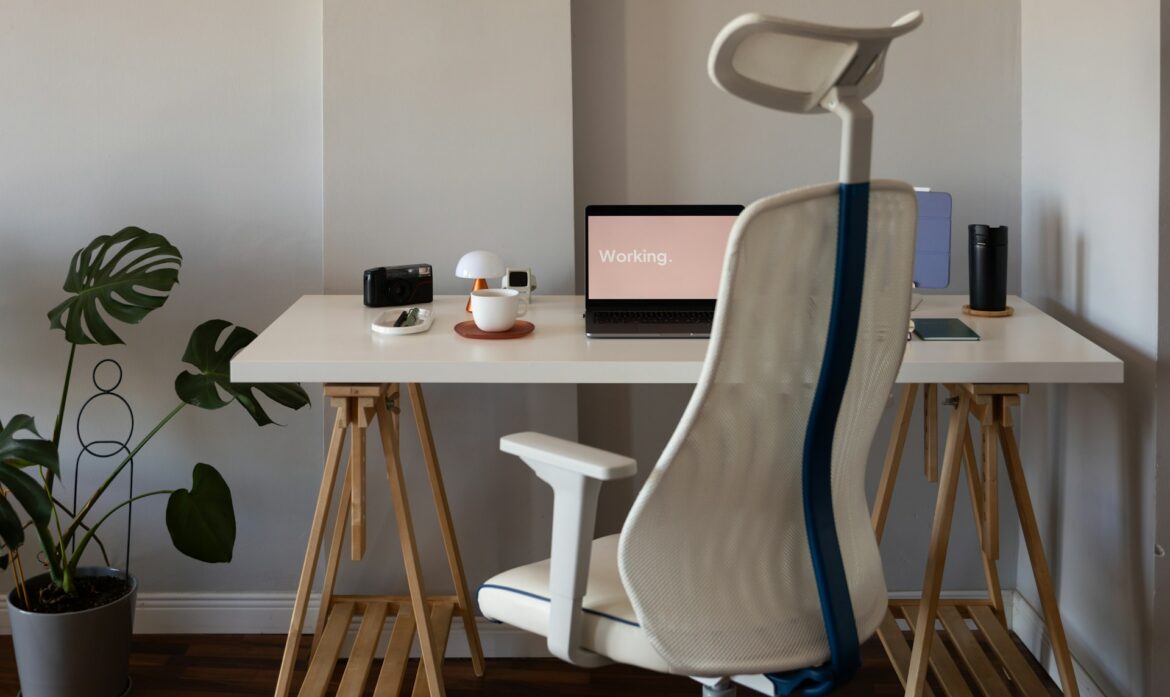
Home Office Chair Essentials: Comfort, Style, and Support
Working from home has become more common in recent years, and with it comes the need for a dedicated workspace. While a desk and computer are essential, one item often overlooked is the chair you sit on each day. A home office chair plays a vital role not only in comfort but also in maintaining health, productivity, and focus throughout long working hours. Choosing the right chair is not just about picking something stylish; it is about finding a balance between ergonomic support, design, and durability.
In this article, we’ll explore the essentials of selecting the right chair for your home office, including why comfort matters, how style influences mood, and the importance of proper support.
Why Comfort Should Be Your First Priority
When you spend hours sitting at a desk, comfort is more than a luxury; it is a necessity. An uncomfortable chair can quickly lead to back pain, stiff muscles, and fatigue, which in turn affects productivity. The best chairs are designed to follow the natural curve of the spine, providing support in areas that often bear the most strain, such as the lower back and shoulders.
Adjustable features are also key to comfort. A chair that allows you to change seat height, backrest angle, and armrest positioning ensures it fits your body rather than forcing your body to adapt to it. This adaptability helps reduce discomfort, allowing you to focus on your work instead of constantly shifting in your seat.
Breathable materials, such as mesh or fabric upholstery, can also enhance comfort by preventing overheating during long work sessions. Padded seats offer additional cushioning, making extended sitting more manageable. Ultimately, comfort lies at the foundation of a productive home office.
The Role of Style in Your Workspace
While comfort and support take precedence, style should not be overlooked. The design of your home office chair can influence how you feel in your workspace. A visually appealing chair contributes to a positive environment, helping to keep your mind engaged and motivated.
Many home offices are part of shared living spaces, so selecting a chair that complements your décor matters. Sleek, modern chairs can blend seamlessly into minimalist settings, while traditional leather designs may suit a more classic office look. Colours also play a role—neutral tones can promote calmness, while bolder shades may inject energy into your day.
A stylish chair doesn’t just improve aesthetics; it can enhance the psychological impact of your work environment. Feeling good about the space you work in can reduce stress and create a stronger sense of purpose.
Why Support Is Crucial for Health
The support a chair provides is directly linked to health and wellbeing. Prolonged sitting has been associated with issues such as poor posture, back pain, and circulation problems. This makes the structural design of your home office chair one of the most important factors to consider.
Look for chairs with lumbar support that encourages the spine’s natural curve. Without this, the lower back tends to slump, leading to strain and long-term discomfort. A supportive backrest that adjusts to your movements ensures your body stays aligned, reducing the risk of musculoskeletal problems.
Armrests are another often-overlooked feature. They help take pressure off the shoulders and upper arms, preventing stiffness and fatigue. Ideally, armrests should be adjustable so they can sit at the right height for your desk.
Support doesn’t end at the back and arms—the seat itself matters, too. A chair with the correct depth and cushioning helps distribute weight evenly, preventing unnecessary pressure on the thighs.
Balancing Comfort, Style, and Support
The challenge for many people is finding a chair that combines all three elements: comfort, style, and support. It’s tempting to prioritise appearance, but without the right ergonomic features, a chair may look good but feel terrible to sit on. Conversely, a chair designed purely for ergonomics might not suit the style of your home.
To strike the right balance, start by listing your priorities. If you spend eight hours a day at your desk, ergonomic support should come first. Once you have found options that fit these needs, narrow them down based on design and style preferences. This approach ensures that your choice benefits both your health and your workspace aesthetic.
The Long-Term Value of a Good Chair
A well-chosen home office chair is an investment, not an afterthought. Cheaper options may seem attractive initially, but they often lack durability and proper support. Over time, this can lead to health problems, reduced productivity, and the need for replacements.
High-quality chairs are built to last, offering reliable support and comfort for years. While the upfront cost may be higher, the long-term benefits outweigh the expense. Think of it as protecting your body and ensuring your working environment contributes positively to your overall wellbeing.
Practical Tips for Choosing Your Chair
To make the decision easier, here are some practical tips to guide you:
- Test before you buy: Sit in the chair to assess comfort and adjustability.
- Check adjustability: Ensure it allows seat height, armrests, and backrest adjustments.
- Look for lumbar support: Prioritise chairs that support the natural curve of your lower back.
- Consider materials: Mesh offers breathability, leather provides durability, and fabric adds softness.
- Think about space: Choose a chair size that fits your desk and room layout comfortably.
By following these steps, you can make a choice that suits both your body and your workspace.
Conclusion
The essentials of a home office chair go far beyond appearance. Comfort is the cornerstone, ensuring you can focus on work without distractions from aches and pains. Style enhances your workspace, creating a positive environment that boosts motivation. Support safeguards your health, helping you maintain good posture and prevent long-term issues.
When all three elements are considered together, you create a home office that not only looks good but also functions effectively. Investing in the right chair is an investment in yourself—your comfort, your productivity, and your wellbeing. With the right choice, your home office becomes a place where you can thrive day after day.