
The Different Types of Custom Carrier Bags Explained: Paper, Plastic, Cotton and Jute Compared
Custom carrier bags are more than a simple way to help customers carry purchases. They influence how a brand is seen, how products are presented, and how practical the shopping experience feels. From boutiques and gift shops to cafés, exhibitions, and online retailers, the right bag can support both function and brand identity.
For many businesses, twisted handle paper bags are a popular choice because they offer a neat, professional look while remaining suitable for everyday retail use. However, paper is only one option. Plastic, cotton, and jute bags each have their own strengths, limitations, and best-use cases.
Choosing between them depends on several factors. These include product weight, budget, branding needs, customer expectations, and sustainability goals. A luxury clothing store may need a different carrier bag from a food takeaway business, while a trade event may call for something more reusable and long-lasting.
This guide compares the main types of custom carrier bags so businesses can make a more informed choice. Whether you are reviewing packaging for a retail store, planning branded merchandise, or improving customer experience, understanding the differences can help you select the right option with confidence. twisted handle paper bags are often a strong starting point, but they are not the only solution.
Why Custom Carrier Bags Matter
Carrier bags are often one of the last touchpoints a customer has with a business. A well-designed bag can leave a positive impression after the sale has been made. It can also extend brand visibility when customers carry it outside the shop, office, or event space.
Custom bags can display a logo, brand colours, slogan, website, or campaign message. Even a simple design can make packaging feel more polished. This is especially useful for businesses that want to create consistency across their in-store experience, online orders, and promotional activity.
Practicality also matters. A bag should suit the size, shape, and weight of the products being carried. It should feel comfortable in the hand and strong enough for its purpose. If the bag looks good but fails during use, it can damage the customer experience.
Paper Carrier Bags
Paper carrier bags are widely used across retail, hospitality, gifting, fashion, and events. They offer a clean, classic appearance and are available in several styles, including flat handle bags, twisted handle bags, luxury laminated bags, and kraft paper bags.
One of the main benefits of paper bags is their presentation. They can look simple and understated or premium and refined, depending on the material, finish, and print design. Brown kraft paper gives a natural, eco-conscious feel, while white or colored paper can support a sharper brand look.
Paper bags are also highly customisable. Businesses can print logos, patterns, messages, and seasonal designs. They work well for clothing, cosmetics, gifts, books, bakery items, and lightweight retail products.
However, paper bags are not always ideal for very wet, heavy, or sharp-edged items unless reinforced or specially finished. Their strength depends on paper thickness, handle type, construction, and intended use.
Plastic Carrier Bags
Plastic carrier bags remain common in some sectors because they are lightweight, flexible, and often cost-effective. They can be useful for businesses handling products that may leak, create moisture, or need a more weather-resistant carrier.
Plastic bags can be printed clearly and produced in different thicknesses, colours, and styles. Options may include vest-style bags, punched handle bags, flexi-loop handle bags, and reusable plastic carriers.
One advantage of plastic is durability in damp conditions. Unlike untreated paper, it does not weaken easily when exposed to water. This can make it suitable for certain food, grocery, pharmacy, or utility-based retail uses.
That said, plastic has become a more sensitive choice because of environmental concerns and changing consumer expectations. Businesses should consider local rules, bag charges, customer perception, and disposal impact before choosing plastic. Where plastic is used, reusable or recyclable options may offer a more responsible route.
Cotton Carrier Bags
Cotton carrier bags are often chosen for reusable shopping, events, lifestyle brands, bookshops, charities, and promotional campaigns. They have a soft, natural feel and can be used repeatedly by customers.
A major strength of cotton bags is longevity. Customers may keep them for shopping, commuting, gym items, work materials, or everyday errands. This gives the brand repeated exposure beyond the original purchase.
Cotton also works well for designs that need a relaxed, thoughtful, or ethical image. It suits brands connected to wellness, handmade goods, organic products, education, fashion, and creative industries.
However, cotton bags are usually more expensive than paper or basic plastic options. They may not be the best choice for every transaction, especially where low-cost packaging is required. They are better suited to campaigns, higher-value purchases, membership packs, or products where reusability adds value.
Jute Carrier Bags
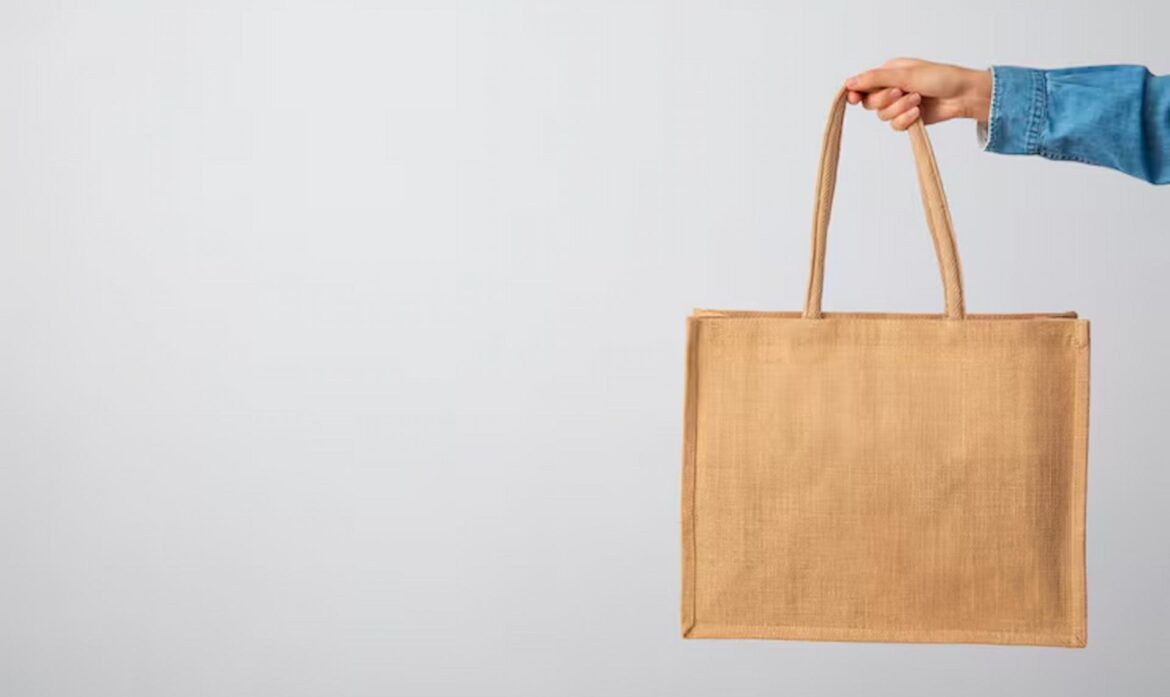
Jute bags are known for their strong, textured, natural appearance. They are commonly used by farm shops, food markets, garden centres, ethical brands, corporate gifting, and premium reusable shopping ranges.
Jute is sturdy and often able to carry heavier items than many standard paper bags. Its rustic look gives it a distinctive character, making it suitable for businesses that want packaging to feel earthy, durable, and practical.
These bags can be customised with printed logos or designs, although the texture of jute may create a different finish compared with smoother materials. For some brands, that natural texture is part of the appeal.
Jute bags are generally more expensive than single-use-style carriers, but they offer strong reuse potential. They can work particularly well where the bag itself becomes part of the product experience, such as hampers, farmers’ market purchases, welcome packs, or eco-focused retail campaigns.
Comparing the Main Bag Types
Each carrier bag material serves a different purpose. The right choice depends less on which material is “best” overall and more on what the business needs the bag to achieve.
Paper bags are a strong option for everyday retail, gift packaging, and branded presentation. They balance cost, appearance, and practicality well for many sectors.
Plastic bags may still be useful where moisture resistance, flexibility, or low unit cost is important. However, businesses need to consider environmental expectations and regulatory factors carefully.
Cotton bags are best for reuse, brand visibility, and promotional value. They cost more but can stay with customers for a long time.
Jute bags suit heavier items, natural branding, and premium reusable packaging. They offer a distinctive look but may not be needed for quick, low-value purchases.
How to Choose the Right Custom Carrier Bag
Before selecting a bag type, businesses should think about what customers will carry and how the bag will be used. A delicate jewellery item, a takeaway meal, a folded jumper, and a gift hamper all need different packaging considerations.
Product weight is one of the first details to review. Heavier products need stronger materials, reinforced handles, or wider bases. For lighter goods, a simpler paper or plastic option may be enough.
Brand image is equally important. A minimalist fashion store may prefer clean paper bags with subtle branding. A natural food shop may lean towards kraft paper or jute. A charity event may choose cotton bags because they are reusable and visible.
Budget also plays a practical role. Premium reusable bags may support long-term brand awareness, but they may not suit every purchase. Some businesses use different bag types for different product ranges or order values.
Branding and Print Considerations
Custom printing should support the brand rather than overwhelm the bag. A clear logo, balanced spacing, and readable colours often work better than a crowded design.
Paper usually offers a smooth surface for detailed print. Cotton provides a softer, more casual finish. Jute creates a natural, textured result, while plastic can produce bold, practical branding depending on the bag style.
Businesses should also think about colour contrast. A design that looks strong on screen may not appear the same on kraft paper, fabric, or jute. Keeping the design simple helps maintain clarity across different materials.
Sustainability and Customer Expectations
Sustainability is now a major consideration in packaging decisions. Customers often notice whether a business uses excessive, poor-quality, or hard-to-reuse packaging.
However, sustainability is not only about material choice. It also depends on how the bag is produced, how often it is reused, whether it can be recycled, and whether it is suitable for the product. A reusable bag only delivers value if customers actually use it again.
Businesses should avoid vague environmental claims. Instead, they should focus on practical choices: using the right size bag, avoiding unnecessary packaging, choosing recyclable or reusable options where suitable, and giving customers packaging that genuinely serves a purpose.
Conclusion
Custom carrier bags play an important role in both customer experience and brand presentation. Paper, plastic, cotton, and jute all have useful qualities, but each one suits a different situation.
Paper bags are versatile and professional. Plastic bags can be practical for moisture resistance and flexibility. Cotton bags support reuse and brand visibility. Jute bags offer strength and a natural, premium feel.
The best choice depends on product type, budget, brand values, and customer expectations. By comparing the options carefully, businesses can choose carrier bags that look good, perform well, and support a more thoughtful packaging strategy.