
Technology Commonly Used by a Security Company
Security today extends far beyond a visible presence on site. Behind every professional security company operates an integrated network of technologies built to deter threats, accelerate response times, and strengthen operational oversight. From advanced surveillance and access control systems to real-time data analytics, technology now drives how protection strategies are designed, executed, and continually refined for greater resilience and accountability.
Security has evolved from a purely physical presence into a coordinated blend of people, systems, and intelligence. While trained personnel remain central to effective protection, technology now supports many routine security operations, including manned guarding in London. For any security company, the right tools help improve awareness, reduce risk, and maintain consistent standards across sites. Understanding how these technologies work together helps explain how modern security functions in complex urban environments where conditions can change quickly.
Surveillance and Monitoring Systems
Surveillance technology forms the backbone of most security operations. Closed-circuit television systems provide continuous visual coverage, allowing teams to observe activity in real time and review incidents retrospectively. Modern systems go far beyond simple recording. High-definition cameras, low-light capabilities, and wide-angle coverage improve clarity and reduce blind spots.
Integrated monitoring platforms allow feeds to be viewed centrally, enabling quicker responses and better coordination. When aligned with physical patrols, surveillance supports proactive decision-making rather than reactive action. For security providers operating in busy environments, these systems help maintain consistent oversight without relying solely on constant physical movement.
Access Control and Entry Management
Controlling who can enter a site, and when, is a fundamental security requirement. Access control technology replaces traditional keys with smarter, traceable systems. These may include key cards, biometric readers, or digital access permissions that can be updated instantly.
For a security company, access control provides accountability. Entry and exit records help verify compliance, support investigations, and reduce unauthorised movement. When combined with on-site personnel, these systems create layered protection, ensuring that human judgement is supported by automated checks rather than replaced by them.
Communication and Dispatch Technology
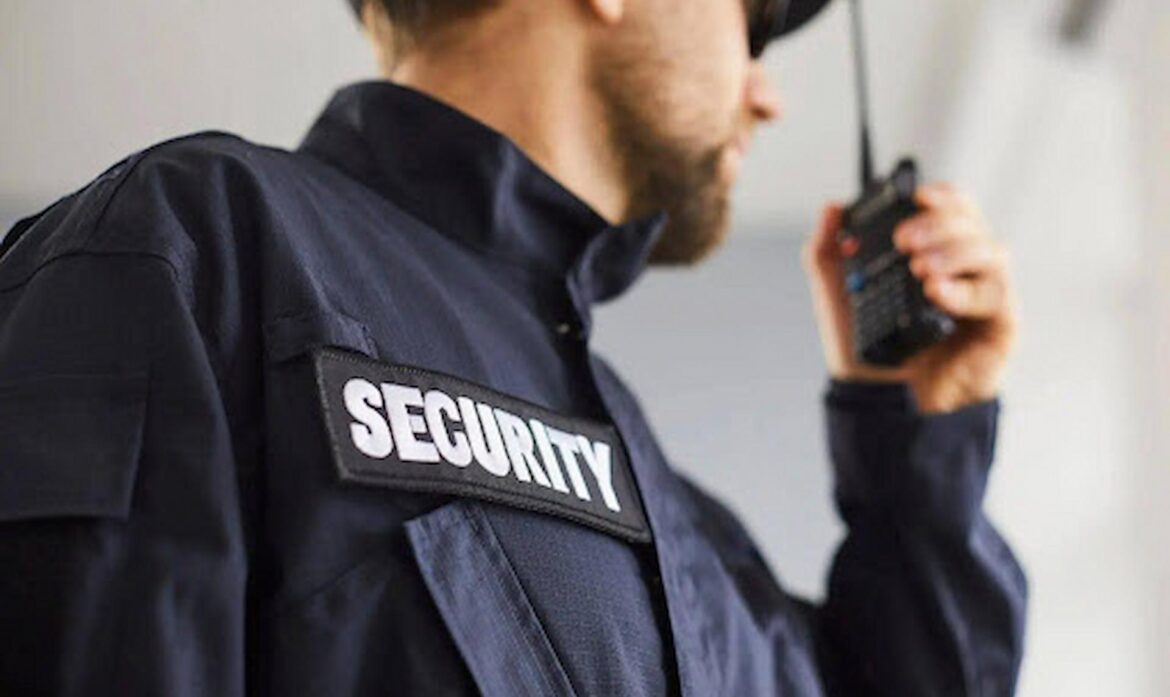
Clear communication is essential to effective security delivery. Modern security teams rely on encrypted radios, mobile applications, and central dispatch platforms to stay connected. These tools ensure that instructions are delivered accurately and without delay, even across large or multi-site operations.
Dispatch systems allow coordinators to allocate resources efficiently, track personnel locations, and respond dynamically to emerging situations. For services such as manned guarding in London, where environments are fast-paced and diverse, reliable communication technology helps maintain control while supporting quick, informed responses.
Incident Reporting and Digital Documentation
Paper-based reporting has largely been replaced by digital systems that improve accuracy and accessibility. Security personnel now use secure mobile devices to log incidents, observations, and routine checks in real time. This information is stored centrally, creating a consistent and auditable record.
Digital reporting supports transparency and accountability. It also allows trends to be identified over time, helping security providers refine procedures and allocate resources more effectively. For clients, this level of documentation provides reassurance that security measures are not only in place but actively managed.
Alarm Systems and Integrated Alerts
Alarm technology plays a crucial role in early detection. Intruder alarms, motion sensors, and perimeter alerts provide immediate notification when predefined thresholds are breached. These systems are most effective when integrated with monitoring platforms and response protocols.
Rather than functioning in isolation, modern alarms trigger coordinated actions. Alerts can be routed to control rooms, mobile teams, or on-site personnel simultaneously. This integration ensures that technology enhances responsiveness without overwhelming teams with unnecessary signals.
Data Analytics and Risk Assessment Tools
Security decisions are increasingly guided by data. Analytics tools allow security companies to assess patterns, identify vulnerabilities, and adjust strategies accordingly. Information gathered from surveillance, access logs, and incident reports contributes to a clearer understanding of risk.
These insights support preventative planning rather than reactive measures. By analysing activity trends, security providers can refine patrol routes, adjust staffing levels, and prioritise high-risk areas. Data-driven assessment strengthens the overall effectiveness of security services while maintaining consistency and reliability.
Mobile Technology for On-Site Personnel
Mobile devices have become essential tools for security professionals. Secure smartphones or tablets allow personnel to receive instructions, report issues, and access site-specific information instantly. This reduces reliance on memory or static instructions and supports adaptability.
Mobile technology also improves accountability. Check-in systems, time-stamped reports, and task confirmations help verify that duties are completed as required. When used correctly, these tools enhance professionalism while supporting efficient supervision.
Integration with Physical Guarding Services
Technology is most effective when aligned with trained personnel. Systems such as surveillance, access control, and digital reporting are designed to support human judgement rather than replace it. A security company that successfully integrates technology with a physical on-site presence delivers balanced, dependable protection.
This integrated approach ensures that security personnel remain informed, connected, and supported at all times. With better situational awareness and real-time information, guards can focus on decision-making, observation, and proactive engagement instead of manual or administrative tasks.
Wrapping Up
Technology has reshaped how modern security companies operate, bringing structure, visibility, and consistency to protective services. From surveillance and access control to digital reporting and analytics, each system plays a distinct role in reducing risk and improving response. Importantly, these tools work best when supporting trained professionals rather than acting independently.
For security services delivered in demanding environments, including manned guarding in London, technology enables smarter deployment and clearer oversight. When selected and integrated carefully, these systems strengthen reliability, improve accountability, and ensure that security remains proactive, adaptable, and aligned with evolving expectations.
14 thoughts on “Technology Commonly Used by a Security Company”
Comments are closed.