

Signs Your Walls and Ceilings May Be Hiding a Bigger Problem
Key Takeaways
- Patches, stains, and unusual odors can all indicate hidden concerns in your home.
- Chronic moisture or water issues often lead to more significant structural or health problems if left unaddressed.
- Promptly addressing early warning signs can save money and maintain a healthy living environment.
Recognizing the Silent Red Flags in Your Home
Your home should be your sanctuary, yet subtle signs on walls and ceilings can indicate bigger issues lurking out of sight. When you notice something unusual—perhaps a discoloration, bubbling paint, or a faint musty smell—it’s natural to wonder what’s happening behind the surface. Many homeowners searching for answers turn to professionals for guidance—if you’re concerned about hidden water damage or mold, connecting with specialized inspection services can offer peace of mind. For timely intervention and comprehensive analysis, pursuing mold testing near me can help identify potential issues before they escalate.
Ignoring warning signs often leads to costly repairs. Consumer Reports warns hidden leaks and moisture threaten your home’s structure and health. Prompt action when signs appear is crucial. Not just visible issues like peeling paint but also hidden problems like microbial growth and seepage can exist for months. Early detection through inspections and repairs protects your property and health. While stains and odors may be overlooked, their causes aren’t. Recognizing warning signs can help prevent bigger future expenses and issues.
Mysterious Stains and What They Reveal
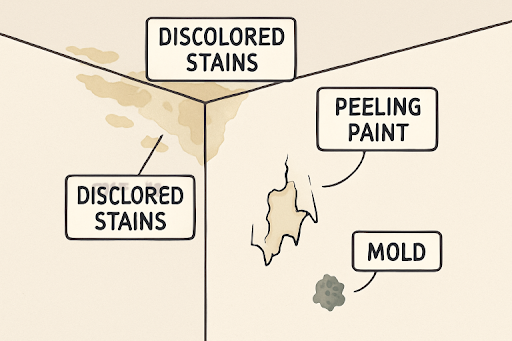
Stains that appear on walls or ceilings—whether dark, yellowish, or even faint—can signal ongoing water infiltration. These marks may not just be remnants of past incidents, but evidence of present, active leaks in your home’s roofing or plumbing systems. Water seepage can quickly saturate building materials, such as drywall or insulation, often creating an ideal environment for mold and mildew to thrive. Homeowners who notice any unwanted moisture should act quickly, as untreated leaks can lead to extensive damage and trigger respiratory health problems, especially in sensitive individuals and children. If you’re unsure of the source, a professional inspection can differentiate between superficial and central issues, potentially saving you significant repair costs later.
Strange Odors: More Than Just a Nuisance
Have you noticed a persistent musty or earthy smell in certain rooms of your home? Often, such odors are the telltale sign of hidden moisture and possibly microbial activity within walls, ceilings, or floors. Frequently, thorough cleaning or airing out the space does little to erase these smells, since the root problem is actually buried deeper, inside your property’s structural elements. According to the U.S. Environmental Protection Agency (EPA), musty odors are a leading sign of ongoing mold growth, so it’s important to address the source rather than mask the symptom. Mold can pose serious health risks, especially for individuals with allergies or respiratory issues. If you detect a musty smell, it’s advisable to have a professional inspection to identify hidden mold. Taking prompt action can prevent the mold from spreading and causing further damage to your property.
Bubbling, Peeling Paint, and Wallpaper
When paint or wallpaper starts to bubble, peel, or crack, it usually signals that moisture is trapped behind the surface. Repeated exposure to dampness causes finishes to lose their adhesion, which eventually results in noticeable cosmetic damage. While it’s tempting to repaint or replace the wallpaper, the underlying cause will remain. Worse, the trapped moisture can deteriorate the underlying plaster or drywall, further complicating the repair process.
When Ceilings Sag or Bulge
Any change in the shape or firmness of your ceiling, be it sagging or bulging, shouldn’t be ignored. These symptoms often indicate a substantial buildup of water, possibly from roof leaks or faulty upper-level plumbing. This type of issue not only threatens the stability of the ceiling itself but can also pose safety hazards if not addressed, ranging from minor property damage to ceiling collapse in severe cases. If you observe these red flags, immediate inspection and remediation are necessary to prevent the escalation of structural risks.
Persistent Allergy Symptoms Indoors
Are allergies flaring up every time you spend time at home? Increased sneezing, coughing, watery eyes, or a persistent scratchy throat could all be due to airborne irritants like dust, mold spores, or other allergens building up as a consequence of moisture problems. As outlined by the Centers for Disease Control and Prevention (CDC), hidden mold and mildew are frequent contributors to poor indoor air quality and can be especially problematic for those with asthma or respiratory sensitivities. Monitoring and improving your home’s environment often starts with identifying and eliminating these hidden triggers.
Identifying Mold Before It Spreads
Visual cues such as fuzzy spots, colored blotches, or unexpected surface growth on walls and ceilings are classic indicators of mold activity. Early intervention—particularly with a comprehensive inspection—can help you locate the root of the problem and respond before the affected area expands. Testing and remediation are usually straightforward when handled early, but can become costly and complex if the infestation spreads to larger or hidden places within your home.
Taking Action When You Spot Trouble
Every homeowner encounters the occasional stain, strange smell, or drafty area, but these should never be dismissed outright. Minor fixes—addressed as soon as they’re noticed—are always less invasive and less expensive than large-scale remediation after prolonged neglect. If you’re unsure about the severity of a potential issue, consider contacting a certified professional for an assessment. Timely mold inspections and water damage checks can make all the difference in maintaining a safe, comfortable, and healthy home for you and your family.